
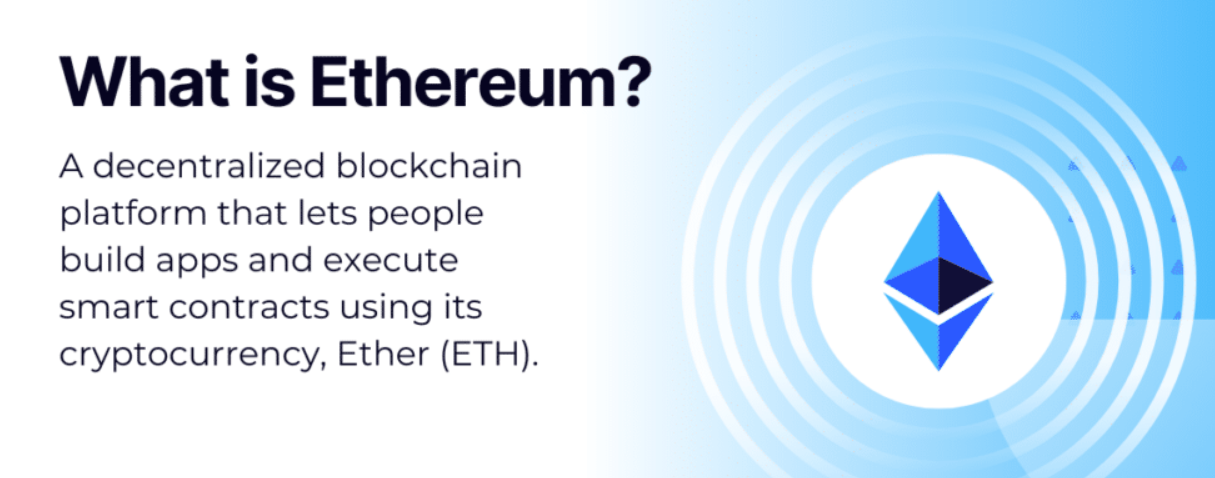
After Bitcoin, Ethereum is the second most important and popular cryptocurrency in the world. But Ethereum is not just a digital currency—it is a complete blockchain platform that allows developers to build applications, smart contracts, and decentralized systems.
This article explains what Ethereum is, how it works, what smart contracts are, uses of Ethereum, pros and cons, and why Ethereum is so important in the crypto world—in a simple, beginner-friendly way.
What Is Ethereum?
Ethereum is a decentralized blockchain platform that enables the creation of smart contracts and decentralized applications (DApps).
- Launched in: 2015
- Founder: Vitalik Buterin
- Native coin: Ether (ETH)
Ethereum goes beyond payments and focuses on programmable blockchain technology.
Ethereum vs Bitcoin (Quick Comparison)
| Feature | Bitcoin | Ethereum |
|---|---|---|
| Purpose | Digital money | Smart contracts & apps |
| Launch year | 2009 | 2015 |
| Supply limit | 21 million | No fixed limit |
| Speed | Slower | Faster |
| Use cases | Payments, store of value | DApps, DeFi, NFTs |
What Is Ether (ETH)?
Ether (ETH) is the native cryptocurrency of the Ethereum network.
ETH is used to:
- Pay transaction fees (gas fees)
- Run smart contracts
- Reward validators
- Trade and store value
ETH is essential for everything happening on Ethereum.
How Does Ethereum Work?
Ethereum runs on blockchain technology, similar to Bitcoin, but with added functionality.
Ethereum Working Process:
- User sends a transaction or interacts with a smart contract
- Transaction goes to the Ethereum network
- Validators verify the transaction
- Transaction is added to a block
- Block is added to the blockchain
Every operation requires gas fees, paid in ETH.
What Are Smart Contracts?
Smart contracts are self-executing digital contracts written in code.
They automatically run when conditions are met—without middlemen.
Example:
“If payment is received, then deliver digital product automatically.”
No lawyer, no bank, no third party needed.
Smart Contracts Explained Simply
| Feature | Description |
|---|---|
| Automatic | Executes itself |
| Secure | Stored on blockchain |
| Transparent | Publicly verifiable |
| Trustless | No third party needed |
| Permanent | Cannot be changed easily |
Smart contracts are the backbone of Ethereum.
Real-World Uses of Ethereum
Ethereum powers thousands of applications.
Major Use Cases:
- DeFi (Decentralized Finance)
- NFTs (Non-Fungible Tokens)
- Gaming & Metaverse
- DAOs (Decentralized Organizations)
- Supply chain tracking
Ethereum is like an operating system for blockchain apps.
What Is DeFi on Ethereum?
DeFi allows people to use financial services without banks.
DeFi Examples:
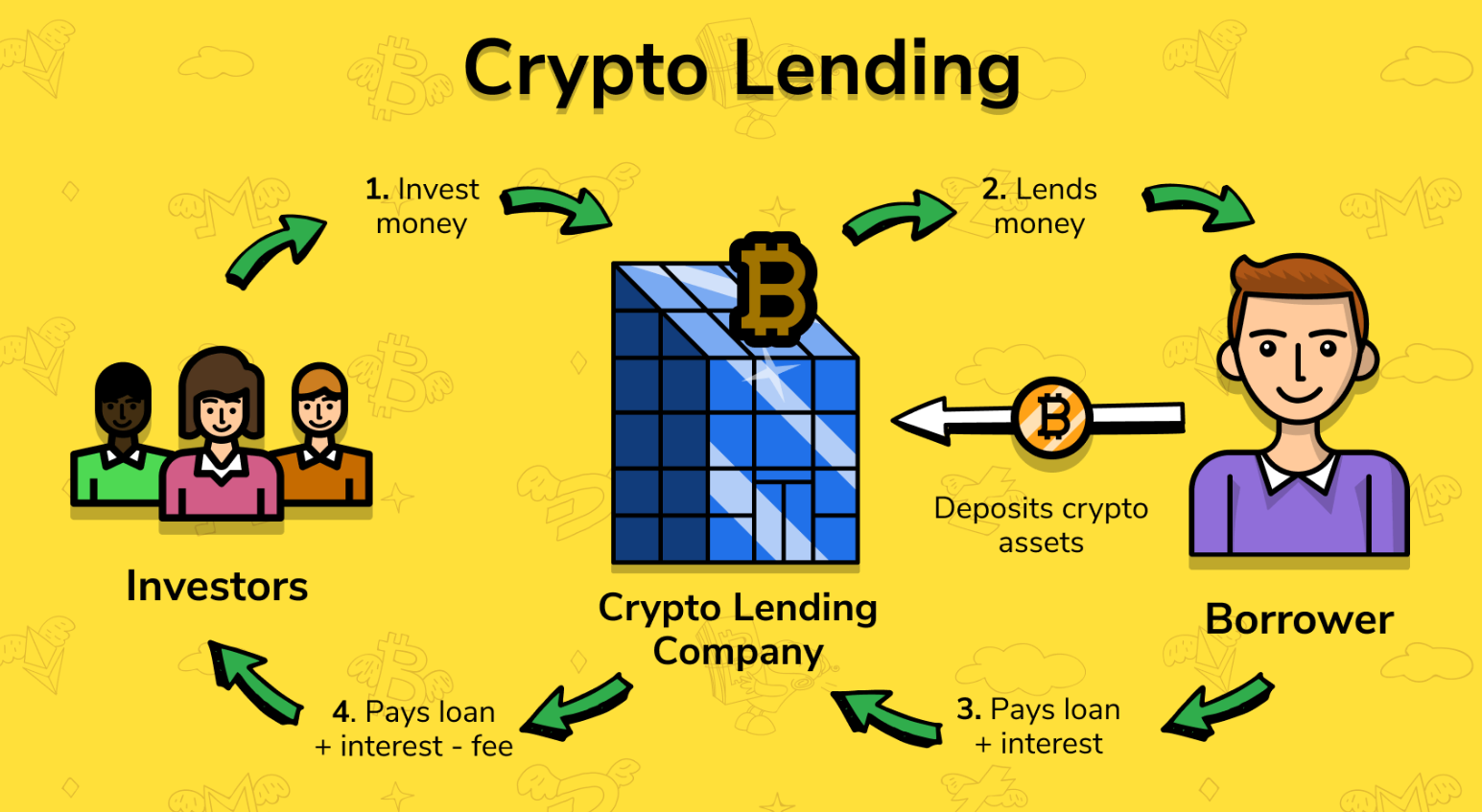
- Lending & borrowing
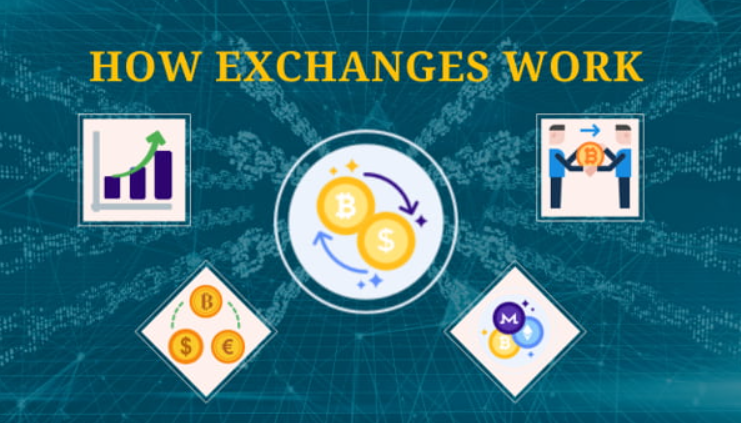
- Crypto exchanges
- Yield farming
- Stablecoins
Ethereum makes DeFi possible through smart contracts.
Ethereum Gas Fees Explained
Gas fees are transaction costs on Ethereum.
Why Gas Fees Exist:
- Pay validators
- Prevent spam
- Secure the network
Gas Fee Factors:
- Network congestion
- Transaction complexity
- Gas price set by user
Ethereum 2.0 (Proof of Stake)
Ethereum upgraded from Proof of Work to Proof of Stake.
Benefits of Proof of Stake:
- Less energy usage
- Faster transactions
- Better scalability
- More eco-friendly
This upgrade made Ethereum more sustainable.
Ethereum Wallets
Ethereum is stored in ETH-compatible wallets.
Wallet Types Table
| Wallet | Type | Security |
|---|---|---|
| MetaMask | Hot | Medium |
| Trust Wallet | Hot | Medium |
| Ledger | Cold | Very High |
| Exchange Wallet | Online | Low–Medium |
Advantages of Ethereum
✅ Pros
- Supports smart contracts
- Huge developer community
- Powers DeFi & NFTs
- Highly secure
- Constant upgrades
- Widely adopted
Disadvantages of Ethereum
❌ Cons
- High gas fees during congestion
- Complex for beginners
- Scalability issues (improving)
- Competition from other blockchains
Is Ethereum Safe?
Ethereum is considered very secure, but:
- Smart contract bugs can cause losses
- Fake apps and scams exist
- User mistakes are irreversible
Education and caution are essential.
Common Ethereum Terms
| Term | Meaning |
|---|---|
| ETH | Ethereum coin |
| Gas | Transaction fee |
| DApp | Decentralized application |
| Smart contract | Automated code contract |
| Validator | Confirms transactions |
FAQs About Ethereum
Q1. Is Ethereum better than Bitcoin?
They serve different purposes. Bitcoin is money; Ethereum is a platform.
Q2. Can Ethereum be hacked?
The blockchain is secure, but poorly written smart contracts can fail.
Q3. Is Ethereum good for beginners?
Yes, with proper learning and safe practices.
Conclusion
Ethereum is one of the most powerful blockchain platforms in the world. Its ability to run smart contracts and decentralized applications makes it the foundation of DeFi, NFTs, and Web3 technology. While it has challenges like gas fees and complexity, continuous upgrades are improving the system.
Ethereum is not just a coin—it’s the engine of decentralized innovation.






Leave a Reply