
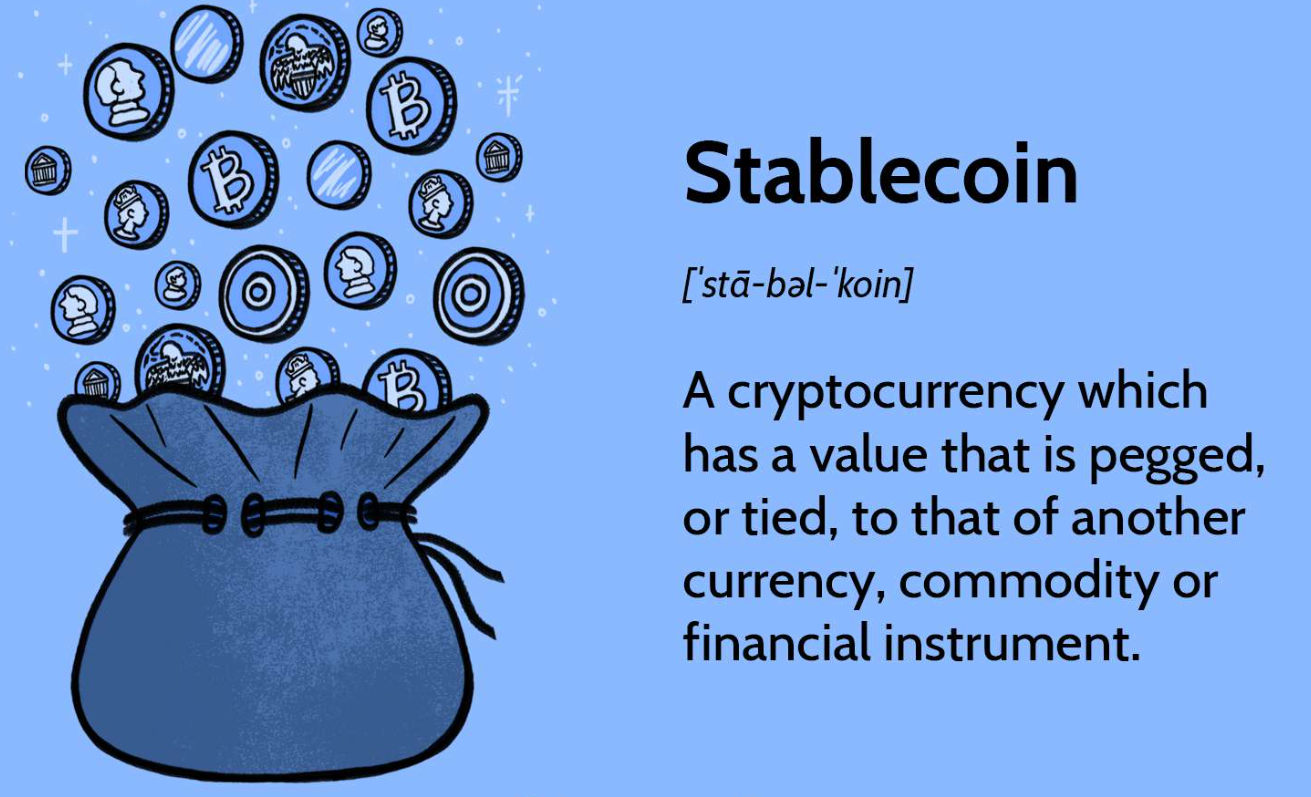
One of the biggest problems in cryptocurrency is price volatility. Bitcoin, Ethereum, and altcoins can rise or fall very quickly. To solve this problem, stablecoins were created.
This article explains what stablecoins are, how they work, types of stablecoins, popular examples, advantages and disadvantages, and why stablecoins are important in the crypto ecosystem—in a clear, beginner-friendly way.
What Are Stablecoins?
Stablecoins are cryptocurrencies designed to have a stable value, usually pegged to a real-world asset like:
- US Dollar (USD)
- Euro
- Gold
Most stablecoins aim to maintain a 1:1 value with the US Dollar.
Example:
1 USDT ≈ 1 USD
1 USDC ≈ 1 USD
Stablecoins combine the stability of traditional money with the speed of cryptocurrency.
Why Were Stablecoins Created?
Stablecoins were created to:
- Reduce crypto price volatility
- Make trading easier
- Provide a safe store of value
- Enable fast digital payments
- Support DeFi applications
Without stablecoins, using crypto daily would be very difficult.
How Do Stablecoins Work?
Stablecoins maintain their value using different mechanisms depending on the type.
Basic Working Process:
- Stablecoin is issued
- It is backed by assets or algorithms
- Users trade or transfer it
- System keeps value close to target price
Types of Stablecoins
Stablecoins are divided into three main types.
1. Fiat-Collateralized Stablecoins
These stablecoins are backed by real money stored in banks.
Examples:
- USDT (Tether)
- USDC (USD Coin)
- BUSD
Fiat-Backed Stablecoin Table
| Stablecoin | Backed By | Popular Use |
|---|---|---|
| USDT | USD & assets | Trading |
| USDC | USD reserves | Payments |
| BUSD | USD | Exchange use |
✔️ Most common and easy to understand
❌ Requires trust in issuer
2. Crypto-Collateralized Stablecoins
Backed by other cryptocurrencies.
Example:
- DAI (backed by ETH)
These use smart contracts and are decentralized.
Crypto-Backed Stablecoins Table
| Stablecoin | Backing Asset | Type |
|---|---|---|
| DAI | ETH & crypto | Decentralized |
✔️ Transparent and decentralized
❌ More complex
3. Algorithmic Stablecoins
These use algorithms and smart contracts to control supply and demand.
- No direct asset backing
- High risk
- Some have failed in the past
⚠️ Beginners should be very cautious with these.
Popular Stablecoins Explained
USDT (Tether)
- Most used stablecoin
- Widely accepted
- Fast transfers
USDC
- Highly transparent
- Regular audits
- Trusted by institutions
DAI
- Fully decentralized
- Controlled by smart contracts
- Used in DeFi
Why Stablecoins Are Important
Stablecoins play a major role in crypto.
Key Benefits:
- Safe trading pair
- Easy money transfer
- Reduced volatility
- Supports DeFi lending & borrowing
- Acts like digital cash
Stablecoins vs Traditional Money
| Feature | Stablecoins | Bank Money |
|---|---|---|
| Speed | Very fast | Slow (international) |
| Fees | Low | High |
| Availability | 24/7 | Limited |
| Control | User-controlled | Bank-controlled |
| Transparency | High | Low |
Advantages of Stablecoins
✅ Pros
- Price stability
- Fast global transactions
- Low fees
- Easy to use
- Useful for beginners
- Supports DeFi and trading
Disadvantages of Stablecoins
❌ Cons
- Centralized control (for some)
- Regulatory risk
- Dependence on issuer trust
- Algorithmic risks
- Possible de-pegging
Are Stablecoins Safe?
Stablecoins are relatively safer than volatile coins, but not risk-free.
Safety depends on:
- Type of stablecoin
- Transparency of issuer
- Regulation
- Smart contract security
Common Uses of Stablecoins
- Crypto trading
- Saving value
- Remittances
- Online payments
- DeFi lending
- Gaming & NFTs
Important Stablecoin Terms
| Term | Meaning |
|---|---|
| Peg | Fixed value |
| Collateral | Backing asset |
| De-pegging | Losing price stability |
| Reserves | Backing funds |
| Minting | Creating new coins |
FAQs About Stablecoins
Q1. Are stablecoins the same as USD?
No, but they are designed to follow USD value.
Q2. Can stablecoins lose value?
Yes, if reserves fail or systems collapse.
Q3. Are stablecoins good for beginners?
Yes, they are the safest entry point in crypto.
Conclusion
Stablecoins are the bridge between traditional finance and cryptocurrency. They provide stability, speed, and usability in a highly volatile market. While they are not completely risk-free, stablecoins are essential for trading, DeFi, and everyday crypto use.
Stablecoins bring balance to the crypto world.










Leave a Reply