
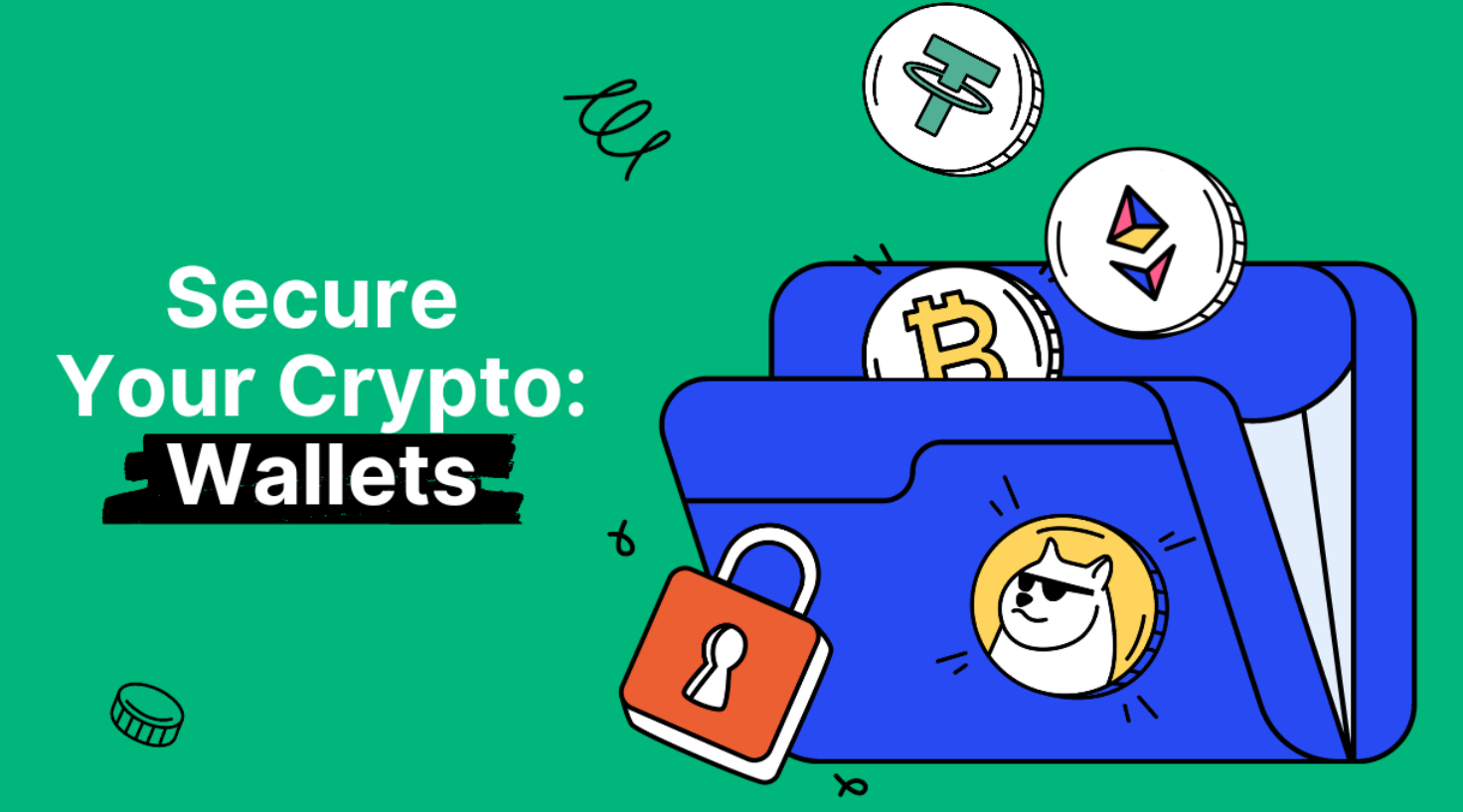
If you want to use cryptocurrency safely, the most important thing to understand is a crypto wallet. Many beginners think wallets “store coins,” but that’s not fully true. A crypto wallet actually stores private keys, which give you access to your crypto on the blockchain.
This article explains what a crypto wallet is, how it works, types of wallets, hot vs cold wallets, how to choose the right wallet, and important safety tips—in a simple, beginner-friendly way.
What Is a Crypto Wallet?
A crypto wallet is a digital tool that allows you to:
- Store cryptocurrency securely
- Send and receive crypto
- Interact with blockchain apps (DApps)
- Control your private keys
Your crypto always stays on the blockchain—the wallet just gives you access.
How Does a Crypto Wallet Work?
Crypto wallets work using public and private keys.
Simple Explanation:
- Public Key → Like your bank account number (used to receive crypto)
- Private Key → Like your ATM PIN (gives full control)
Wallet Working Steps:
- Wallet generates public & private keys
- Public key is shared to receive crypto
- Private key signs transactions
- Blockchain verifies and confirms
⚠️ If you lose your private key, you lose access to your crypto forever.
Types of Crypto Wallets
Crypto wallets are divided into hot wallets and cold wallets.
Hot Wallets (Online Wallets)
Hot wallets are connected to the internet.
Examples:
- Mobile wallets
- Desktop wallets
- Web wallets
Hot Wallet Table
| Wallet Type | Example | Security |
|---|---|---|
| Mobile | Trust Wallet | Medium |
| Browser | MetaMask | Medium |
| Exchange | Binance Wallet | Low–Medium |
Pros of Hot Wallets
- Easy to use
- Fast transactions
- Good for beginners
- Free
Cons of Hot Wallets
- Internet risk
- Vulnerable to hacking
- Not ideal for large funds
Cold Wallets (Offline Wallets)
Cold wallets are not connected to the internet, making them very secure.
Examples:
- Hardware wallets
- Paper wallets
Cold Wallet Table
| Wallet Type | Example | Security |
|---|---|---|
| Hardware | Ledger, Trezor | Very High |
| Paper | Printed keys | High (if stored safely) |
Pros of Cold Wallets
- Highest security
- Safe from online hacks
- Best for long-term storage
Cons of Cold Wallets
- Costs money
- Less convenient
- Risk if physically lost
Hardware Wallet Explained
A hardware wallet is a physical device that stores private keys offline.
Features:
- PIN protection
- Backup recovery phrase
- Offline signing
- Strong encryption
Hardware wallets are best for users holding large crypto amounts.
Custodial vs Non-Custodial Wallets
Custodial Wallet
- Private keys held by a third party
- Example: Exchange wallets
Non-Custodial Wallet
- You control private keys
- Example: Trust Wallet, MetaMask
Comparison Table
| Feature | Custodial | Non-Custodial |
|---|---|---|
| Key control | Platform | User |
| Security | Medium | High |
| Ease | Easy | Moderate |
| Risk | Platform failure | User error |
Rule: Not your keys, not your coins
Which Crypto Wallet Is Best for Beginners?
Beginner-Friendly Wallets:
- Trust Wallet
- MetaMask
- Coinbase Wallet
These wallets are:
- Easy to use
- Free
- Support many coins
- Good UI
How to Choose the Right Crypto Wallet
Consider these factors:
- Security level
- Coins supported
- Ease of use
- Backup & recovery
- Device compatibility
Wallet Selection Table
| User Type | Recommended Wallet |
|---|---|
| Beginner | Trust Wallet |
| Trader | MetaMask |
| Long-term holder | Ledger |
| DeFi user | MetaMask |
Important Crypto Wallet Safety Tips
🔐 Security Best Practices:
- Never share private keys
- Write recovery phrase offline
- Enable 2FA
- Use strong passwords
- Avoid fake apps & links
- Update wallet software regularly
Common Wallet Mistakes to Avoid
❌ Storing private keys online
❌ Using unknown wallets
❌ Ignoring backup phrases
❌ Clicking phishing links
❌ Keeping large funds in exchange wallets
What Is a Recovery Phrase?
A recovery phrase (12–24 words) allows you to restore your wallet.
- Anyone with this phrase can access your funds
- Store it offline
- Never take screenshots
FAQs About Crypto Wallets
Q1. Can a crypto wallet be hacked?
Wallet apps can be hacked if security is weak, but blockchains are secure.
Q2. Do I need a wallet to use crypto?
Yes, a wallet is essential to store and manage crypto.
Q3. What happens if I lose my wallet?
If you have the recovery phrase, you can restore it. Without it, funds are lost.
Conclusion
A crypto wallet is the foundation of safe cryptocurrency usage. Understanding how wallets work, choosing the right type, and following strong security practices can protect you from losses and scams. Whether you’re a beginner or advanced user, wallet knowledge is essential.
In crypto, security starts with your wallet.






Leave a Reply