
Crypto staking is one of the most popular and beginner-friendly ways to earn passive income in the crypto world. Unlike mining, staking does not require expensive hardware or high electricity costs. This is why many new users prefer staking over mining.
In this article, you will learn what crypto staking is, how it works, types of staking, requirements, pros and cons, risks, and whether staking is good for beginners.
What Is Crypto Staking?
Crypto staking is the process of locking your cryptocurrency in a blockchain network to help maintain and secure it. In return, you earn staking rewards.
Staking is mainly used by blockchains that follow the Proof of Stake (PoS) consensus mechanism.
👉 Simply put:
Hold coins + lock them = earn rewards
Why Is Staking Important?
Staking helps a blockchain to:
- Validate transactions
- Secure the network
- Maintain decentralization
- Prevent fraud and attacks
Instead of miners, validators are responsible for keeping the network running.
How Does Crypto Staking Work?
Step-by-Step Process:
- You buy a PoS-based cryptocurrency
- You lock (stake) your coins
- The network selects validators
- Validators verify transactions
- You earn rewards based on staked amount
The more coins you stake, the higher your potential rewards.
What Is Proof of Stake (PoS)?
Proof of Stake is a consensus mechanism where:
- Validators are chosen based on stake
- Less energy is used
- Faster transactions are possible
Many modern blockchains prefer PoS because it is eco-friendly and scalable.
Popular Cryptocurrencies That Support Staking
| Cryptocurrency | Blockchain Type |
|---|---|
| Ethereum (ETH) | Proof of Stake |
| Cardano (ADA) | Proof of Stake |
| Solana (SOL) | Proof of Stake |
| Polkadot (DOT) | Nominated PoS |
| Tezos (XTZ) | Proof of Stake |
Types of Crypto Staking
There are different ways to stake crypto depending on your experience level.
1. Exchange Staking
You stake your coins directly on a crypto exchange.
Pros
- Easy to use
- Beginner-friendly
- No technical setup
Cons
- Less control over funds
- Exchange risk
✔️ Best for beginners
2. Wallet Staking
You stake using a personal crypto wallet.
Pros
- More control
- Higher security
Cons
- Requires basic knowledge
✔️ Good for intermediate users
3. Validator Staking
You run your own validator node.
Pros
- Highest rewards
- Full control
Cons
- High technical skills needed
- High minimum stake
❌ Not for beginners
Staking Methods Comparison Table
| Method | Difficulty | Control | Suitable For |
|---|---|---|---|
| Exchange Staking | Easy | Low | Beginners |
| Wallet Staking | Medium | Medium | Learners |
| Validator | Hard | High | Advanced |
Minimum Requirements for Staking
| Requirement | Description |
|---|---|
| Cryptocurrency | PoS-based coin |
| Wallet or Exchange | To stake coins |
| Internet | Stable connection |
| Lock-up period | Some staking requires locking |
What Is Lock-Up Period?
A lock-up period is the time during which your staked coins cannot be withdrawn.
Important Points:
- Some staking is flexible
- Some require fixed duration
- Early withdrawal may cause penalties
Always check staking terms before locking funds.
How Much Can You Earn from Staking?
Staking rewards vary based on:
- Coin type
- Network rules
- Staking duration
- Total amount staked
Average Staking Rewards:
| Coin | Approx Annual Reward |
|---|---|
| Ethereum | 3% – 5% |
| Cardano | 4% – 6% |
| Solana | 6% – 8% |
⚠️ Rewards are not guaranteed.
Advantages of Crypto Staking
✅ Pros
- Passive income opportunity
- No expensive hardware
- Eco-friendly
- Beginner-friendly
- Supports network security
Disadvantages of Crypto Staking
❌ Cons
- Price volatility risk
- Lock-up restrictions
- Slashing penalties (rare but possible)
- Platform risks (exchange staking)
What Is Slashing?
Slashing is a penalty where a validator loses part of their staked coins for:
- Network misconduct
- Downtime
- Security violations
This usually affects validators, not normal users.
Is Crypto Staking Safe?
Staking is relatively safe if:
- You use trusted platforms
- You stake well-known coins
- You understand lock-up rules
Avoid unknown platforms offering unrealistic returns.
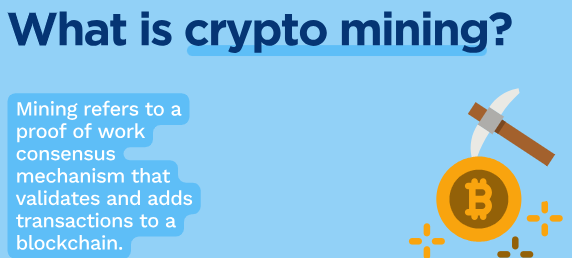
Staking vs Mining (Quick Comparison)
| Feature | Staking | Mining |
|---|---|---|
| Energy usage | Low | High |
| Cost | Low | High |
| Complexity | Simple | Complex |
| Beginner-friendly | Yes | No |
Tips for Beginners (Important)
- Start with small amounts
- Choose popular coins
- Avoid “guaranteed profit” claims
- Understand lock-up terms
- Never stake money you can’t afford to lose
Common Staking Myths
❌ Staking is risk-free
❌ Rewards are fixed
❌ All coins can be staked
❌ Higher rewards mean better coin
Reality: Risk management is key.
FAQs About Crypto Staking
Q1. Can I unstake anytime?
Depends on the platform and coin.
Q2. Is staking halal?
This depends on personal beliefs and interpretations.
Q3. Do I lose coins while staking?
Usually no, unless price drops or slashing occurs.
Conclusion
Crypto staking is one of the easiest ways for beginners to earn passive income while supporting blockchain networks. It requires low investment, minimal technical skills, and is environmentally friendly. However, staking still carries risks, especially price volatility and lock-up periods.





Leave a Reply