
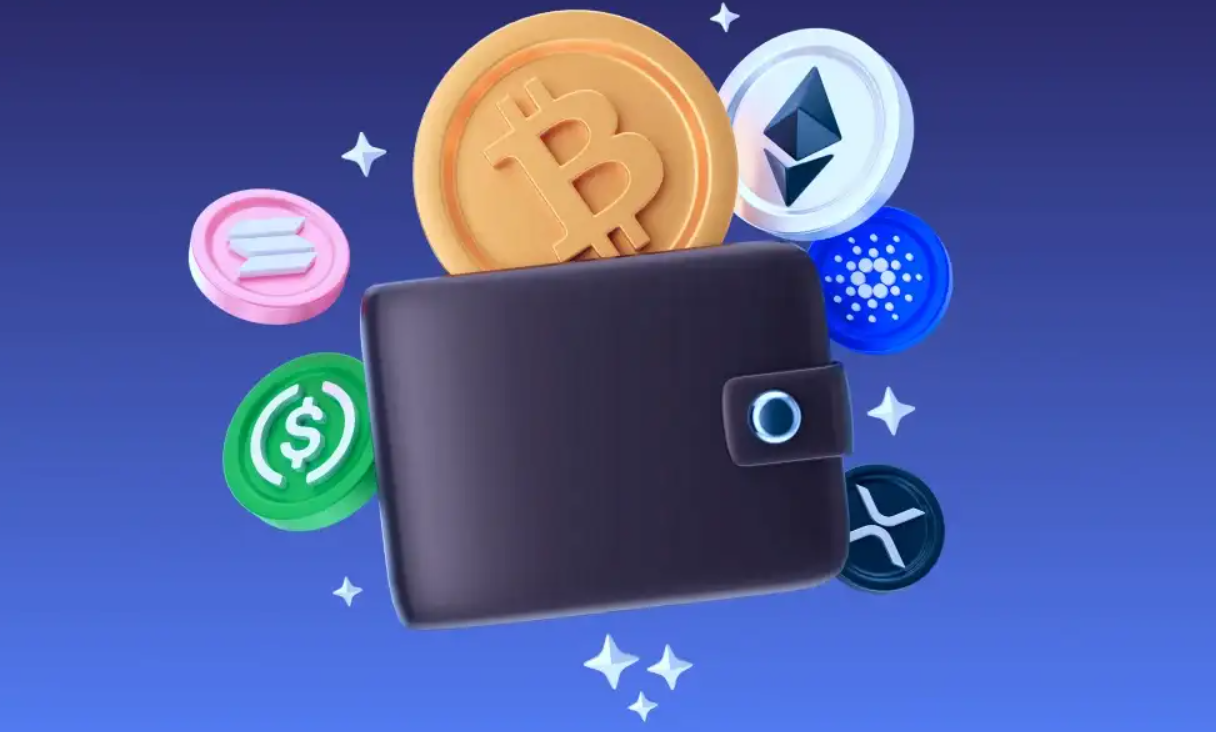
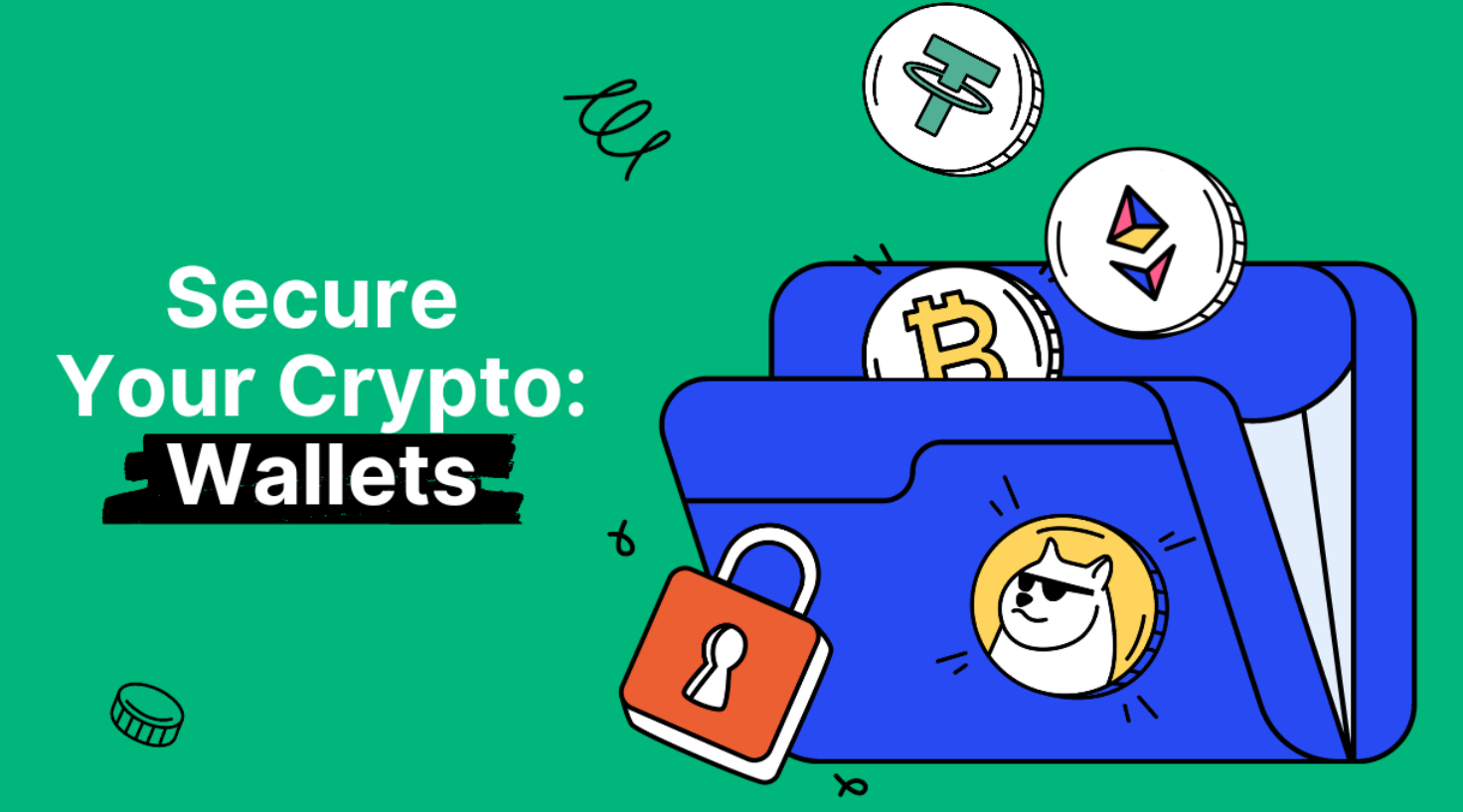
A crypto wallet is one of the most important tools in cryptocurrency. Many beginners buy crypto but don’t fully understand where it is stored or how to keep it safe. Learning about crypto wallets is essential for security and control.
In this guide, you’ll learn what a crypto wallet is, how it works, types of wallets, wallet security tips, best wallets for beginners, and common mistakes to avoid.
What Is a Crypto Wallet?
A crypto wallet is a tool that allows you to:
- Store cryptocurrency
- Send and receive crypto
- Access blockchain networks
- Manage private keys
⚠️ Important:
Crypto wallets do not store coins physically. They store private keys, which give access to your crypto on the blockchain.
How Does a Crypto Wallet Work?
Simple Explanation:
- You create a wallet
- The wallet generates public and private keys
- Public key = wallet address (shareable)
- Private key = ownership proof (secret)
- Transactions are signed using private keys
If you lose your private key, you lose access to your crypto.
Public Key vs Private Key
| Key Type | Purpose | Can Share? |
|---|---|---|
| Public Key | Receive crypto | ✅ Yes |
| Private Key | Access & control funds | ❌ Never |
👉 Rule: Never share your private key or recovery phrase.
What Is a Seed Phrase?
A seed phrase (also called recovery phrase) is a set of 12–24 words that can restore your wallet.
Why It’s Important:
- Backup for wallet recovery
- Needed if device is lost
- Gives full control of funds
📌 Anyone with your seed phrase owns your crypto.
Types of Crypto Wallets
Crypto wallets are divided into hot wallets and cold wallets.
1. Hot Wallets (Online Wallets)
Hot wallets are connected to the internet.
Examples:
- Mobile wallets
- Desktop wallets
- Web wallets
Pros
- Easy to use
- Fast transactions
- Free
Cons
- Higher hacking risk
✔️ Best for small amounts and daily use
2. Cold Wallets (Offline Wallets)
Cold wallets stay offline.
Examples:
- Hardware wallets
- Paper wallets
Pros
- High security
- Protection from hackers
Cons
- Costly
- Less convenient
✔️ Best for long-term holding
Crypto Wallet Types Comparison Table
| Wallet Type | Internet | Security | Best For |
|---|---|---|---|
| Mobile Wallet | Yes | Medium | Beginners |
| Desktop Wallet | Yes | Medium | Regular users |
| Web Wallet | Yes | Low–Medium | Quick access |
| Hardware Wallet | No | Very High | Long-term holders |
| Paper Wallet | No | High | Backup only |
Popular Crypto Wallets for Beginners
| Wallet Name | Type | Supported Coins |
|---|---|---|
| Trust Wallet | Mobile | Multi-coin |
| MetaMask | Browser/Mobile | Ethereum-based |
| Coinbase Wallet | Mobile | Multi-coin |
| Exodus | Desktop/Mobile | Multi-coin |
| Ledger | Hardware | Multi-coin |
Custodial vs Non-Custodial Wallets
Custodial Wallet
- Private keys controlled by platform
- Example: Exchange wallets
Non-Custodial Wallet
- You control private keys
- Example: Trust Wallet, MetaMask
| Feature | Custodial | Non-Custodial |
|---|---|---|
| Control | Platform | You |
| Security | Platform-based | User-based |
| Beginner-friendly | Yes | Medium |
👉 Best practice: Use non-custodial wallets for control.
How to Choose the Best Crypto Wallet
Consider these factors:
- Security features
- Supported cryptocurrencies
- Ease of use
- Backup options
- Community trust
For beginners, mobile non-custodial wallets are ideal.
Crypto Wallet Security Tips (Very Important)
🔒 Best Security Practices:
- Never share seed phrase
- Use strong passwords
- Enable 2FA where possible
- Avoid public Wi-Fi
- Download wallets from official sites
- Keep backup offline
Common Crypto Wallet Mistakes
❌ Storing seed phrase online
❌ Using fake wallet apps
❌ Sending wrong network coins
❌ Keeping all funds in one wallet
❌ Trusting unknown links
One mistake can lead to permanent loss.
Can Crypto Be Recovered If Lost?
Unfortunately:
- ❌ Lost private key = lost funds
- ❌ No password reset in blockchain
- ❌ No customer support recovery
Blockchain is decentralized, which means you are responsible.
Wallet vs Exchange: What’s the Difference?
| Feature | Wallet | Exchange |
|---|---|---|
| Control | User | Exchange |
| Security | User responsibility | Platform responsibility |
| Trading | No | Yes |
| Storage | Yes | Yes |
Best strategy:
👉 Trade on exchanges, store in wallets
Are Crypto Wallets Legal?
Crypto wallets are legal in most countries, but:
- Regulations differ
- Some regions restrict usage
Always check local laws.
FAQs About Crypto Wallets
Q1. Do I need a wallet to buy crypto?
Yes, for safe storage.
Q2. Can one wallet store multiple coins?
Yes, many wallets support multiple coins.
Q3. Is hardware wallet worth it?
Yes, for large investments.
Conclusion
A crypto wallet is the foundation of crypto security. Without understanding wallets, using cryptocurrency is risky. Choosing the right wallet and following security practices can protect your assets and give you full control over your funds.
In crypto, your wallet is your bank — protect it wisely.






Leave a Reply