
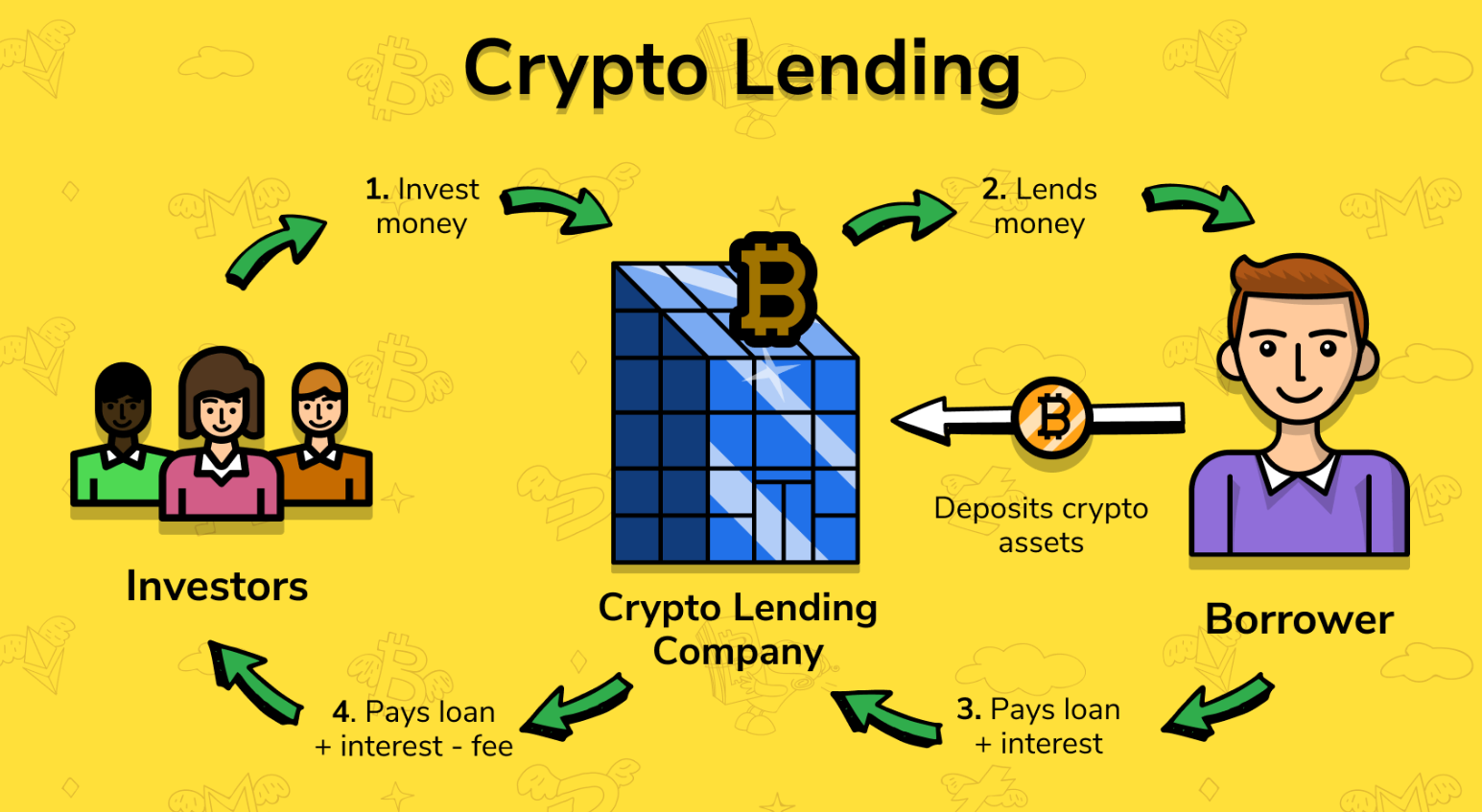
Cryptocurrency lending and borrowing is a fast-growing sector in the crypto world. It allows users to earn passive income by lending their crypto or borrow funds by using crypto as collateral. This process is similar to traditional banking but faster, decentralized, and often more profitable.
In this article, you’ll learn what crypto lending and borrowing is, how it works, popular platforms, risks involved, and tips for beginners.
What Is Crypto Lending?
Crypto lending is when you lend your cryptocurrency to others in exchange for interest.
- You deposit coins on a lending platform
- Borrowers pay interest for using your crypto
- You earn passive income
Example:
- Lend 1 BTC at 6% annual interest
- After 1 year, you earn 0.06 BTC as interest
What Is Crypto Borrowing?
Crypto borrowing is the opposite:
- You borrow crypto or fiat using your crypto as collateral
- Collateral ensures the lender is protected
- Interest rates vary depending on coin and platform
Example:
- Borrow $1,000 using 0.05 BTC as collateral
- Pay 5% annual interest
- Return loan and get your BTC back
How Crypto Lending & Borrowing Works
Step-by-Step:
- Choose a Platform
- Centralized (CEX) or decentralized (DeFi)
- Deposit Crypto
- Lenders deposit coins for borrowers
- Borrowers deposit collateral
- Set Terms
- Interest rate
- Duration of loan
- Earn Interest / Borrow Funds
- Lenders earn interest
- Borrowers use funds
- Repayment & Withdrawal
- Borrowers repay loan + interest
- Lenders withdraw coins + earnings
Types of Lending Platforms
| Type | Examples | Notes |
|---|---|---|
| Centralized (CEX) | BlockFi, Nexo, Binance Lending | Easy for beginners, platform-managed |
| Decentralized (DeFi) | Aave, Compound, MakerDAO | Non-custodial, more control, requires knowledge |
Popular Coins for Lending & Borrowing
- Stablecoins (USDT, USDC, DAI) → Low risk
- Bitcoin (BTC) → High demand
- Ethereum (ETH) → Popular in DeFi
- Altcoins → Higher interest, higher risk
Risk vs Reward Table:
| Coin Type | Average Interest | Risk Level |
|---|---|---|
| Stablecoins | 4–12% | Low |
| Bitcoin | 3–8% | Medium |
| Ethereum | 3–10% | Medium |
| Altcoins | 5–20% | High |
Benefits of Crypto Lending & Borrowing
✅ Advantages for Lenders:
- Earn passive income
- Higher interest than traditional banks
- No need to sell crypto
✅ Advantages for Borrowers:
- Access funds without selling crypto
- Quick and decentralized
- Flexible terms in DeFi platforms
Risks of Crypto Lending & Borrowing
| Risk Type | Description | How to Manage |
|---|---|---|
| Platform Risk | Exchange may get hacked or default | Use trusted platforms |
| Collateral Risk | Crypto value drops | Over-collateralize loans |
| Smart Contract Risk | Bugs in DeFi protocols | Use audited contracts |
| Liquidity Risk | Borrowers may default | Check platform liquidity |
| Market Risk | Collateral value fluctuates | Monitor positions |
Centralized vs Decentralized Lending
| Feature | Centralized Lending | DeFi Lending |
|---|---|---|
| Control | Platform manages funds | Users manage funds |
| Ease of Use | Beginner-friendly | Medium to advanced |
| Risk | Platform hack | Smart contract risk |
| Interest Rates | Fixed or low | Often higher, flexible |
| KYC Required | Usually yes | Optional |
Tips for Beginners
- Start with stablecoins to reduce volatility risk
- Use trusted and audited platforms
- Never lend more than you can afford to lose
- Understand the interest rates and terms
- Monitor loan-to-value (LTV) for borrowed funds
- Diversify lending across multiple platforms
FAQ About Crypto Lending & Borrowing
Q1. Can I lose my crypto while lending?
Yes, if the platform is hacked or borrowers default, especially in DeFi.
Q2. Is borrowing crypto risky?
Yes, because if the collateral value drops, your crypto can be liquidated.
Q3. How much interest can I earn?
Depends on coin, platform, and market demand (4%–20% annualized).
Q4. Do I need KYC for crypto lending?
Centralized platforms usually require KYC; DeFi platforms do not.
Conclusion
Crypto lending and borrowing offers new opportunities for passive income and liquidity, but it comes with risks. Beginners should start with stablecoins, use trusted platforms, and carefully monitor collateral and interest rates. When done correctly, it can be a profitable addition to a crypto portfolio.
In crypto lending, knowledge and caution are your best assets.






Leave a Reply