

Managing your cryptocurrency wisely requires more than just buying coins. A crypto portfolio helps you track, organize, and grow your digital assets while minimizing risk.
In this article, you’ll learn what a crypto portfolio is, how to build one, tools to track it, portfolio strategies, risk management, and tips for beginners.
What Is a Crypto Portfolio?
A crypto portfolio is a collection of all the cryptocurrencies you own. Similar to a stock portfolio, it tracks:
- Coin types
- Amount held
- Value in fiat
- Performance over time
A well-managed portfolio helps you diversify, reduce risk, and make smarter decisions.
Why You Need a Crypto Portfolio
Without a portfolio, beginners often face:
- Losing track of investments
- Overconcentration in one coin
- Missed profits
- Unclear performance evaluation
A portfolio allows you to:
- See total asset value
- Track gains and losses
- Adjust investments
- Analyze performance
How to Build a Crypto Portfolio
Step 1: List All Coins
Start by listing all crypto assets:
| Coin | Amount | Current Price | Value (USD) |
|---|---|---|---|
| Bitcoin (BTC) | 0.05 | $20,000 | $1,000 |
| Ethereum (ETH) | 0.5 | $1,200 | $600 |
| Cardano (ADA) | 200 | $0.50 | $100 |
This gives a snapshot of total holdings.
Step 2: Decide Portfolio Strategy
There are several strategies for beginners:
- HODL Strategy
- Buy coins and hold long-term
- Less time-intensive
- Reduces emotional trading
- Diversified Strategy
- Spread investments across multiple coins
- Reduces risk if one coin drops
- Example: 50% BTC, 30% ETH, 20% altcoins
- Active Trading Portfolio
- Frequent buying/selling
- Requires tracking charts and market trends
- Higher risk and effort
Step 3: Allocate Your Assets
Decide how much to invest in each coin. Beginners should consider:
| Coin Type | Suggested % of Portfolio | Notes |
|---|---|---|
| Large-cap (BTC, ETH) | 50–70% | Stable and safer |
| Mid-cap coins | 20–30% | Growth potential |
| Small-cap/Altcoins | 5–10% | High risk, high reward |
Tip: Never invest more than you can afford to lose.
Step 4: Track Your Portfolio
Tracking your portfolio is crucial to know:
- Total value
- Profit or loss
- Performance over time
Popular Tracking Tools:
- CoinMarketCap Portfolio
- CoinGecko Portfolio
- Delta App
- Blockfolio
- Excel/Google Sheets
Step 5: Regularly Rebalance Your Portfolio
Rebalancing means adjusting allocations to maintain your strategy.
- If BTC grows too much, sell some and buy other coins
- If altcoins drop, consider buying more at low prices
- Rebalancing prevents overexposure to one coin
Risk Management in Crypto Portfolios
| Risk Type | How to Manage |
|---|---|
| Volatility | Diversify assets |
| Emotional trading | Follow a plan |
| Hacking | Use secure wallets |
| Scam coins | Research before investing |
| Overconcentration | Set allocation limits |
Hot Wallet vs Cold Wallet for Portfolio Storage
| Wallet Type | Pros | Cons |
|---|---|---|
| Hot Wallet | Quick access, easy tracking | Less secure, online risk |
| Cold Wallet | High security, offline storage | Less convenient for trading |
Best practice: Keep small amounts in hot wallets for trading, large amounts in cold wallets.
Beginner Tips for Managing Crypto Portfolio
- Start with small investments
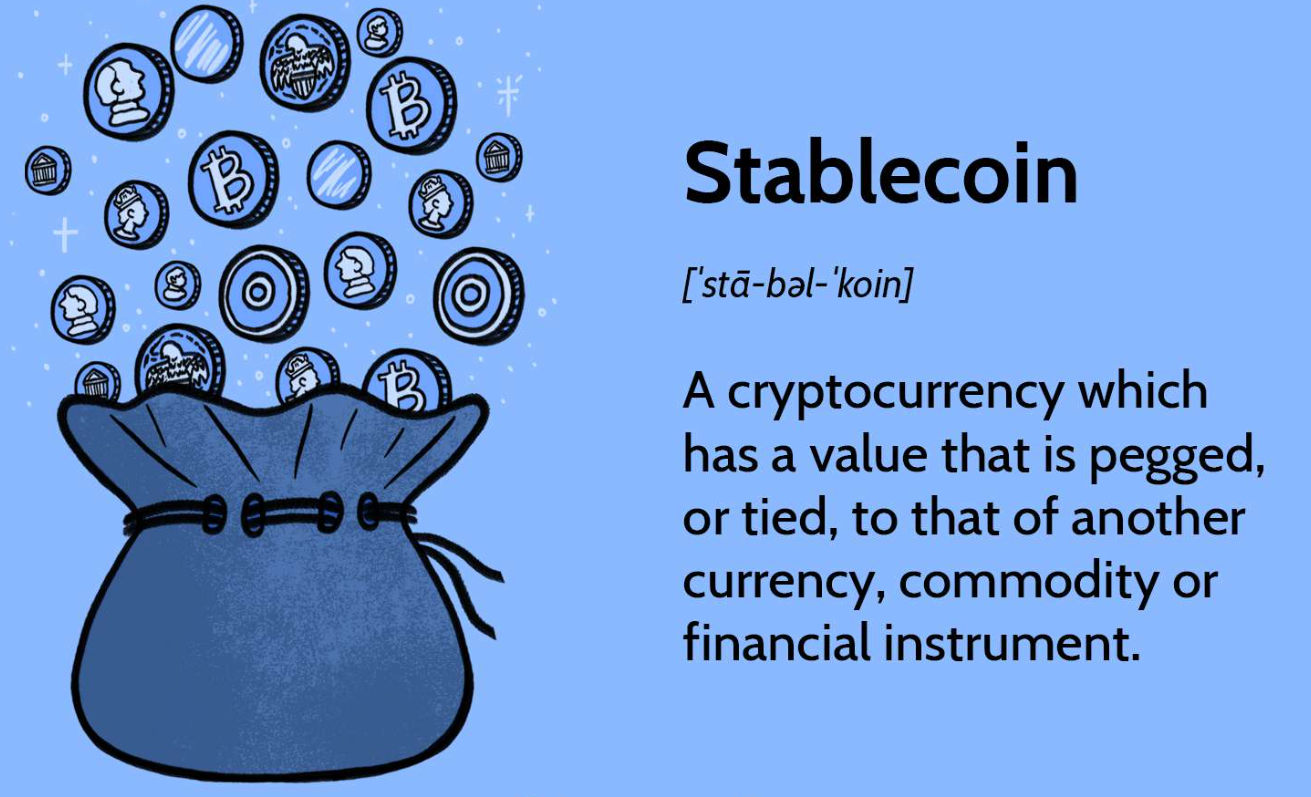
- Diversify across stablecoins, large-cap, and altcoins
- Track performance weekly or monthly
- Avoid emotional decisions during market drops
- Keep some funds in stablecoins for emergencies or opportunities
- Learn from portfolio performance to improve strategies
Common Crypto Portfolio Mistakes
❌ Investing only in one coin
❌ Ignoring market trends
❌ Not tracking gains/losses
❌ Panic selling during dips
❌ Using untrustworthy apps for tracking
FAQs About Crypto Portfolio
Q1. Can I have multiple portfolios?
Yes, for different purposes like trading, HODL, and staking.
Q2. Should beginners diversify?
Absolutely, diversification reduces risk.
Q3. How often should I check my portfolio?
Once a week is enough for beginners, unless actively trading.
Conclusion
A crypto portfolio is essential for organized and strategic investing. Beginners should focus on diversification, tracking, and risk management. By following a plan and using proper tools, you can grow your assets safely while minimizing losses.
A well-managed portfolio is the roadmap to crypto success.






Leave a Reply