
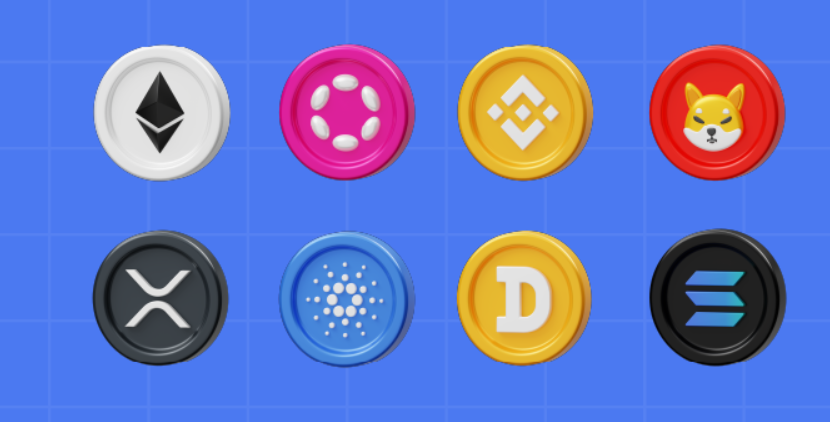
After Bitcoin and Ethereum, the crypto market is filled with thousands of other cryptocurrencies called altcoins. If you are new to crypto, you might wonder: What are altcoins? Are they safe? Why do they exist?
This article explains what altcoins are, why they were created, different types of altcoins, popular examples, and their advantages and disadvantages—in a clear and beginner-friendly way.
What Are Altcoins?
Altcoin means “alternative coin”—any cryptocurrency other than Bitcoin is called an altcoin.
Bitcoin was the first crypto, but it had limitations like:
- Slow transaction speed
- Limited programmability
- High energy usage
Altcoins were created to improve or solve Bitcoin’s limitations or to serve new purposes.
Why Were Altcoins Created?
Altcoins exist to:
- Improve speed and scalability
- Add smart contract features
- Reduce transaction costs
- Support decentralized apps (DApps)
- Serve specific industries or use cases
Each altcoin usually has a unique goal or technology.
Types of Altcoins
Altcoins are not all the same. They can be divided into categories.
1. Utility Tokens
Utility tokens are used to access services on a blockchain platform.
Examples:
- BNB (Binance Coin)
- SOL (Solana)
- MATIC (Polygon)
Utility Tokens Table
| Coin | Main Use |
|---|---|
| BNB | Trading fee discount |
| SOL | Fast transactions |
| MATIC | Scaling Ethereum |
2. Stablecoins
Stablecoins are designed to have a stable value, usually linked to the US Dollar.
Examples:
- USDT
- USDC
- BUSD
They reduce volatility and are used for trading and transfers.
3. Governance Tokens
Governance tokens give holders voting rights in a project.
Examples:
- UNI (Uniswap)
- AAVE
- COMP
Users can vote on upgrades and decisions.
4. DeFi Tokens
These tokens power decentralized finance platforms.
Use cases:
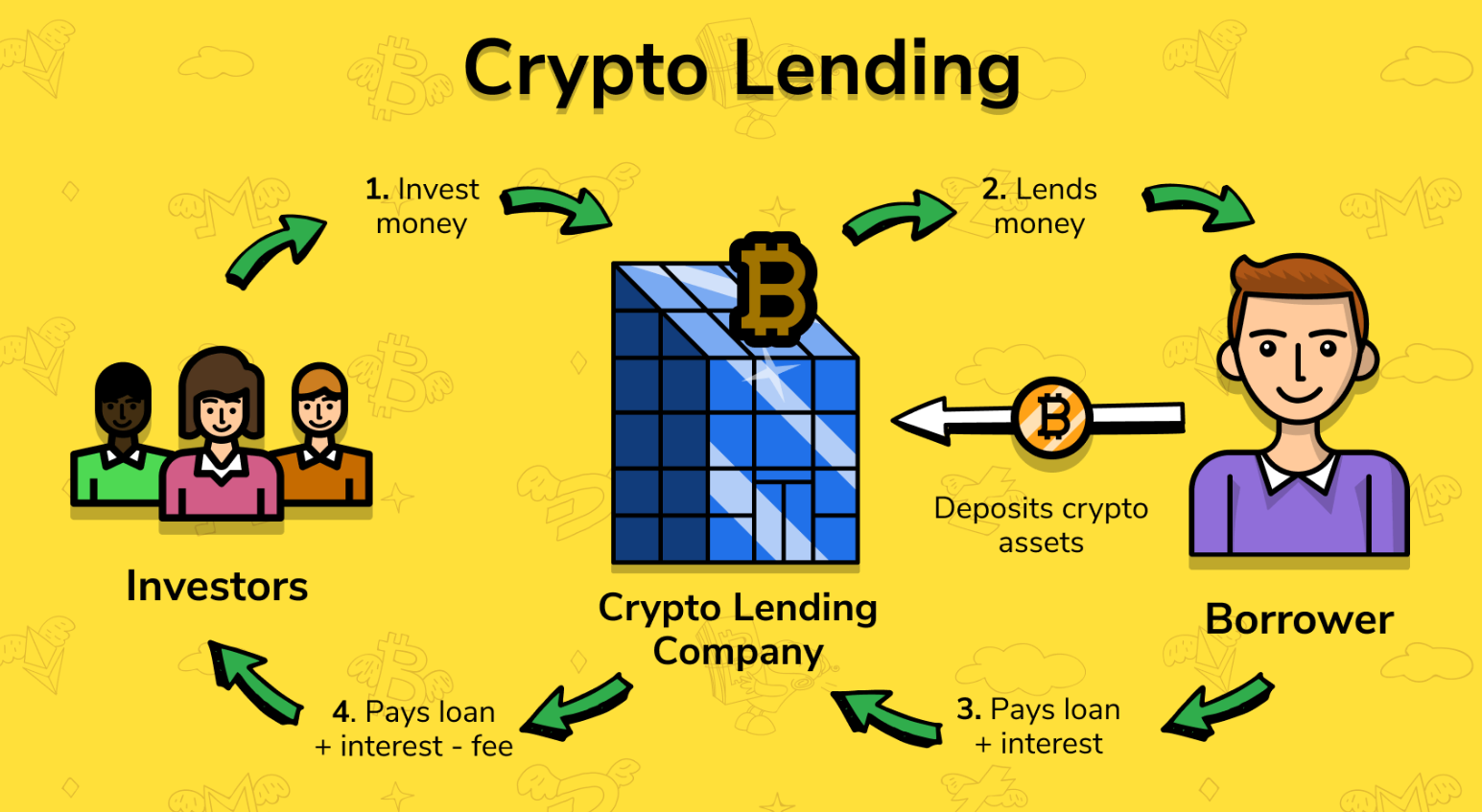
- Lending & borrowing
- Yield farming
- Liquidity providing
Examples:
- AAVE
- CRV
- SUSHI
5. NFT & Metaverse Tokens
These tokens are used in gaming, NFTs, and virtual worlds.
Examples:
- MANA (Decentraland)
- SAND (The Sandbox)
- AXS (Axie Infinity)
6. Meme Coins
Meme coins are created mostly for community and entertainment, but some gain popularity.
Examples:
- DOGE
- SHIB
⚠️ Meme coins are high-risk and highly volatile.
Popular Altcoins List
| Coin Name | Symbol | Category |
|---|---|---|
| Ethereum | ETH | Smart contracts |
| Binance Coin | BNB | Utility |
| Solana | SOL | High-speed blockchain |
| Cardano | ADA | Scalable blockchain |
| Polygon | MATIC | Layer 2 solution |
| Dogecoin | DOGE | Meme coin |
How Altcoins Work
Altcoins usually run on:
- Their own blockchain
- Or existing blockchains like Ethereum
They use consensus mechanisms like:
- Proof of Stake (PoS)
- Delegated PoS
- Hybrid systems
Each project defines its own rules.
Advantages of Altcoins
✅ Pros
- Faster transactions than Bitcoin
- Lower fees
- Diverse use cases
- Innovation and experimentation
- Opportunities for developers
- Supports DeFi, NFTs, Web3
Disadvantages of Altcoins
❌ Cons
- High risk and volatility
- Many scam or dead projects
- Less secure than Bitcoin
- Limited adoption
- Poor long-term sustainability (for some coins)
Altcoins vs Bitcoin
| Feature | Bitcoin | Altcoins |
|---|---|---|
| Purpose | Digital money | Multiple use cases |
| Quantity | Limited | Varies |
| Risk | Lower | Higher |
| Innovation | Limited | High |
| Volatility | Medium | High |
Bitcoin is considered safer, while altcoins offer innovation but higher risk.
How to Choose a Good Altcoin (Educational Tips)
Before using or studying an altcoin, check:
- Project purpose
- Development team
- Community support
- Real-world use case
- Transparency
Never blindly follow hype.
Common Altcoin Scams to Avoid
❌ Fake giveaways
❌ Pump and dump schemes
❌ Unknown projects with no whitepaper
❌ Unrealistic promises
❌ Fake social media accounts
Always research before engaging.
FAQs About Altcoins
Q1. Are altcoins better than Bitcoin?
Some are faster or more advanced, but Bitcoin remains the most secure and trusted.
Q2. Can altcoins fail?
Yes, many altcoins disappear due to poor development or lack of adoption.
Q3. Are altcoins good for beginners?
Stable and well-known altcoins are better for learning, but caution is required.
Conclusion
Altcoins represent innovation and diversity in the cryptocurrency world. They go beyond digital money and power applications like DeFi, NFTs, gaming, and Web3. While they offer exciting opportunities, they also carry higher risks compared to Bitcoin.
For beginners, understanding what altcoins are and how they work is essential before exploring the crypto ecosystem.
Altcoins are the experiments that drive blockchain innovation—but knowledge is your safety shield.



Leave a Reply