
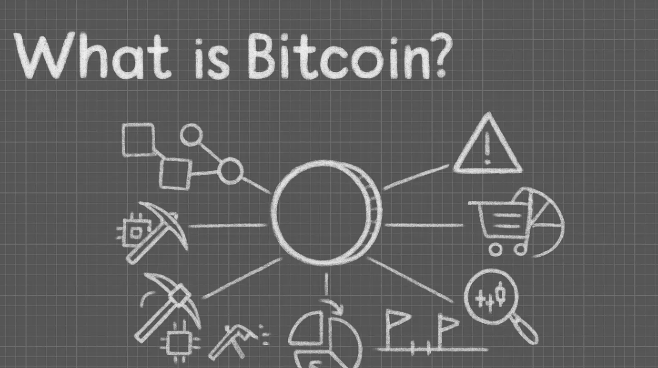
Bitcoin is the first and most popular cryptocurrency in the world. It started the entire crypto revolution and is often called “digital gold.” Even people who don’t fully understand crypto have heard the name Bitcoin.
This article explains what Bitcoin is, its history, how it works, key features, advantages and disadvantages, and important facts every beginner should know—in a simple and educational way.
What Is Bitcoin?
Bitcoin (BTC) is a decentralized digital currency that allows people to send money directly to each other without banks or intermediaries.
Bitcoin was created to give financial freedom and control to users by removing third-party control like banks and governments.
- Launched in: 2009
- Creator: Satoshi Nakamoto (unknown person or group)
- Maximum supply: 21 million BTC
History of Bitcoin
📜 Timeline of Bitcoin
| Year | Event |
|---|---|
| 2008 | Bitcoin whitepaper published |
| 2009 | Bitcoin network launched |
| 2010 | First real-world Bitcoin purchase |
| 2017 | Bitcoin gains global attention |
| 2020–2024 | Institutional adoption increases |
Bitcoin was created after the 2008 financial crisis, highlighting problems with traditional banking systems.
Why Was Bitcoin Created?
Bitcoin was created to:
- Remove bank control
- Reduce transaction fees
- Enable global payments
- Prevent inflation caused by unlimited money printing
- Give users full control of their money
Bitcoin follows strict rules written in code—no human can change them easily.
How Does Bitcoin Work?
Bitcoin works using blockchain technology.
Simple Working Process:
- A user sends Bitcoin to another user
- Transaction is broadcast to the network
- Miners verify the transaction
- Transaction is added to a block
- Block is added to the blockchain
Once confirmed, the transaction cannot be reversed.
What Is Bitcoin Mining?
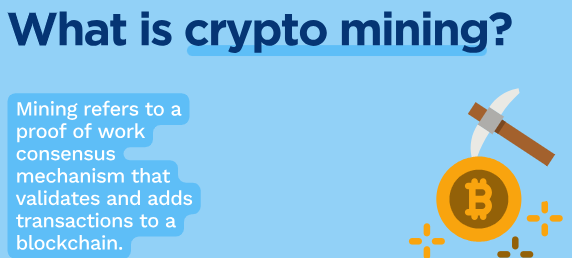
Bitcoin mining is the process of verifying transactions and adding them to the blockchain.
Mining Explained:
- Computers solve complex mathematical problems
- First miner to solve gets rewarded with Bitcoin
- This process secures the network
⛏️ Mining Facts Table
| Feature | Details |
|---|---|
| Reward | New Bitcoin |
| Supply limit | 21 million |
| Energy use | High |
| Difficulty | Increases over time |
Bitcoin Supply and Scarcity
Bitcoin is scarce, which is why it’s compared to gold.
- Maximum supply: 21 million BTC
- No more Bitcoin after limit is reached
- Halving occurs every 4 years (reward reduces)
Scarcity helps protect Bitcoin from inflation.
Bitcoin vs Traditional Money
| Feature | Bitcoin | Traditional Money |
|---|---|---|
| Control | Decentralized | Central banks |
| Supply | Limited | Unlimited |
| Transparency | Public ledger | Private |
| Inflation | Resistant | Affected |
| Transfer speed | Fast | Slow (international) |
How to Store Bitcoin
Bitcoin is stored in crypto wallets.
Wallet Types Table
| Wallet Type | Security | Example |
|---|---|---|
| Hot Wallet | Medium | Trust Wallet |
| Cold Wallet | Very High | Ledger |
| Exchange Wallet | Low–Medium | Binance |
Rule: Not your keys, not your coins
Advantages of Bitcoin
✅ Pros
- Decentralized (no central authority)
- Limited supply (anti-inflation)
- Global and borderless
- High security
- Transparent transactions
- Strong brand trust
Disadvantages of Bitcoin
❌ Cons
- High price volatility
- Slow transactions compared to newer coins
- High energy consumption
- Not fully anonymous
- Limited real-world usage in some regions
Is Bitcoin Legal?
Bitcoin’s legality depends on the country:
- Legal and regulated in many countries
- Restricted in some regions
- Banned in a few countries
Always follow local laws and regulations.
Common Bitcoin Myths (Debunked)
❌ Bitcoin is illegal
❌ Bitcoin is only for criminals
❌ Bitcoin has no real value
❌ Bitcoin is completely anonymous
✅ Reality: Bitcoin is legal in many countries, transparent, and widely used.
Bitcoin Use Cases
- Store of value (digital gold)
- International transfers
- Hedge against inflation
- Online payments
- Financial inclusion
Important Bitcoin Terms
| Term | Meaning |
|---|---|
| BTC | Bitcoin symbol |
| Blockchain | Public ledger |
| Mining | Transaction validation |
| Halving | Reward reduction |
| Private key | Wallet access |
FAQs About Bitcoin
Q1. Can Bitcoin be hacked?
The Bitcoin blockchain has never been hacked, but wallets can be compromised if not secured.
Q2. Is Bitcoin safe for beginners?
Yes, if learned properly and used carefully.
Q3. Can Bitcoin disappear?
Highly unlikely due to global adoption and decentralization.
Conclusion
Bitcoin is the foundation of cryptocurrency and represents a major shift in how money works. Its decentralized nature, limited supply, and secure blockchain make it unique compared to traditional currencies. However, it also comes with risks like volatility and technical complexity.
For beginners, understanding Bitcoin is the first and most important step in learning crypto.
Bitcoin is not just money—it’s a technology-driven financial revolution.






Leave a Reply